Natural Practices for Balanced Well-being
Explore comprehensive information on lifestyle choices and nutritional strategies
Understanding Holistic Well-being
A holistic approach to well-being considers the interconnection between physical health, mental clarity, emotional balance, and environmental factors. This comprehensive perspective recognizes that true wellness emerges from the integration of multiple life dimensions, rather than focusing on isolated aspects of health.
What is a Holistic Approach?
Holistic wellness represents an integrated view of health that addresses the whole person. It acknowledges that our bodies, minds, emotions, and environment are deeply interconnected. This approach emphasizes prevention, balance, and the cultivation of healthy lifestyle practices across all areas of life.
The Interconnection of Body and Mind
Scientific understanding increasingly confirms what traditional wellness practices have long recognized: the body and mind are profoundly interconnected. Mental states influence physical health, while physical well-being supports mental clarity and emotional resilience. This bidirectional relationship forms the foundation of comprehensive well-being.
- Stress management affects immune function and digestion
- Regular physical activity supports mood and cognitive function
- Quality sleep promotes both physical recovery and mental health
- Social connections contribute to overall life satisfaction and longevity
Fundamentals of Nutrition: Macronutrients and Micronutrients
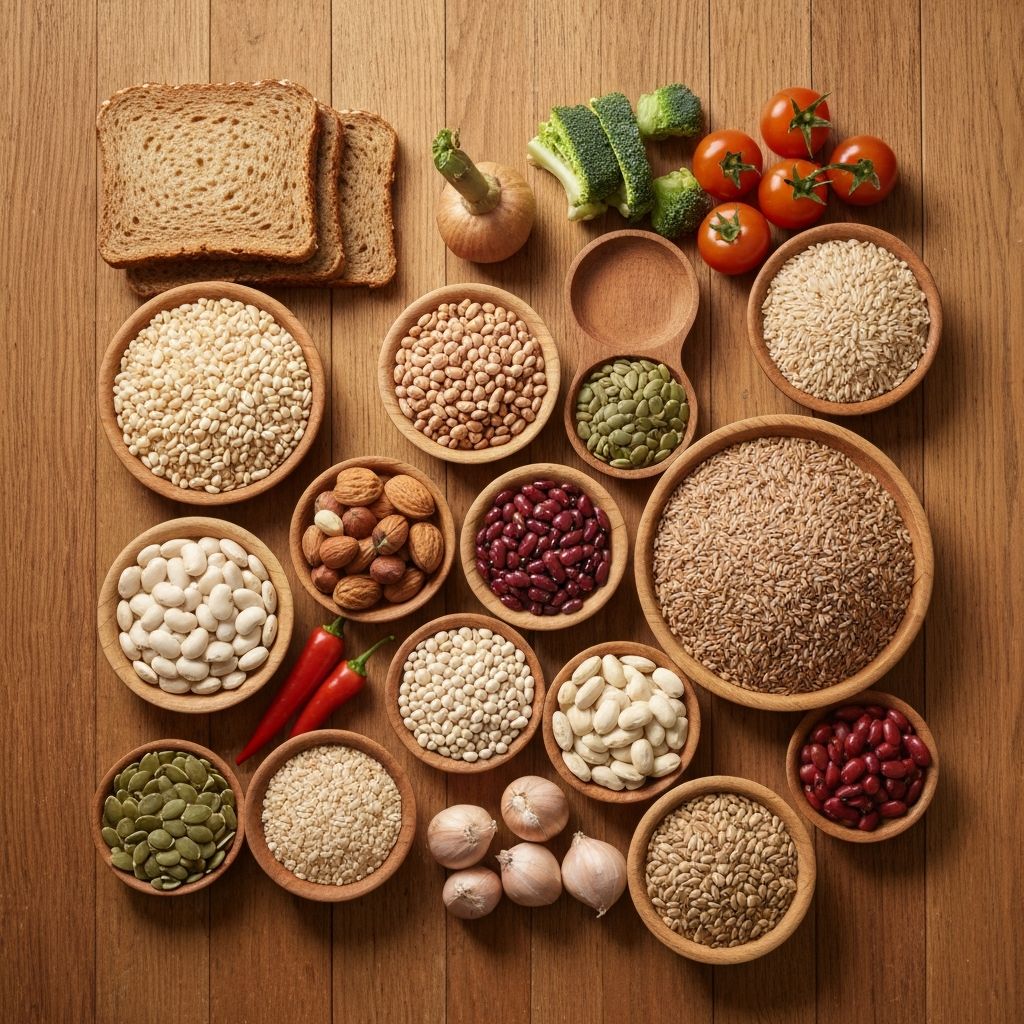
Proper nutrition forms the foundation of physical health and well-being. Understanding the roles of macronutrients and micronutrients helps inform balanced dietary choices.
Macronutrients
Macronutrients—proteins, fats, and carbohydrates—provide the energy and building blocks your body requires for daily function and maintenance.
- Proteins: Essential for muscle maintenance, enzyme function, and immune support
- Fats: Critical for hormone production, vitamin absorption, and brain function
- Carbohydrates: Primary energy source for the brain and muscles
Micronutrients
Vitamins and minerals, though needed in smaller quantities, play essential roles in metabolism, immune function, and cellular health.
The Impact of Lifestyle on Well-being

The Importance of Regular Physical Activity
Movement and exercise are fundamental to health maintenance. Regular physical activity supports cardiovascular health, maintains muscle and bone strength, and contributes to mental well-being through the release of endorphins and stress reduction.
The Role of Quality Sleep
Sleep is not a luxury but a biological necessity. During sleep, the body repairs tissues, consolidates memory, and regulates hormones that control hunger and stress responses. Quality sleep is essential for immune function and cognitive performance.
Stress Management Techniques
Chronic stress affects nearly every biological system. Effective stress management techniques—such as meditation, deep breathing, time in nature, and creative pursuits—help restore balance and support overall health.
Plants and Wellness: Traditions and Modern Understanding
Plants have been used for thousands of years across cultures to support health and well-being. Modern research is increasingly validating many traditional practices while helping us understand the mechanisms behind these benefits.
Common Plant Categories and Their General Properties
| Category | General Characteristics | Traditional Use Context |
|---|---|---|
| Adaptogens | Plants traditionally used to help the body adapt to stress | Supported stress resilience in various cultural wellness traditions |
| Herbs for Digestion | Plants with compounds that support digestive comfort | Used historically to promote digestive well-being |
| Antioxidant-Rich Plants | Plants containing compounds that support cellular health | Incorporated into traditional wellness practices worldwide |
| Sleep Support Herbs | Plants traditionally associated with relaxation | Used historically to promote rest and relaxation |
Achieving Harmonious Balance in Daily Life

True well-being emerges from cultivating balance across multiple life dimensions. This includes physical, mental, emotional, and social aspects of health.
Mindfulness and Meditation
Mindfulness practices help develop awareness of present moment experience, reducing rumination about the past or worry about the future. Regular meditation practice has been associated with decreased anxiety, improved focus, and better emotional regulation.
Social Connections
Human connection is fundamental to well-being. Meaningful relationships, community involvement, and social support networks contribute significantly to both mental health and physical longevity.
Nature and Well-being
Time spent in nature has measurable positive effects on mental health, stress levels, and overall well-being. Natural environments promote relaxation, restore attention, and provide perspective on life challenges.
Key Factors Influencing Energy and Vitality
Hydration and Cellular Function
Water is essential for every biological process. Proper hydration supports nutrient transport, temperature regulation, and cellular function. Most people benefit from consistent fluid intake throughout the day.
Eating Patterns and Energy Levels
The timing and composition of meals significantly influence energy levels throughout the day. Balanced meals containing protein, healthy fats, and complex carbohydrates provide sustained energy, while skipping meals can lead to energy crashes and impaired cognitive function.
Physical Activity and Energy Production
While exercise requires energy expenditure, regular physical activity actually increases overall energy levels by improving cardiovascular efficiency and mitochondrial function. The relationship between movement and vitality is paradoxical but well-established.
Exploring Nutritional Supplements: An Informational Overview

Nutritional supplements represent concentrated sources of vitamins, minerals, amino acids, and plant compounds. Understanding different supplement categories helps inform informed dietary choices.
Vitamin and Mineral Supplements
Vitamins and minerals support countless biological functions. While whole foods are the preferred source, supplements can help address specific nutritional gaps, particularly in cases of restricted diets or increased nutrient needs.
Herbal Extracts and Plant-Based Supplements
Plant compounds have been used for centuries to support specific health goals. Modern extraction techniques allow us to concentrate these compounds, though whole plants often provide additional benefit through their complex nutrient matrices.
Amino Acids and Protein Supplements
Amino acids are the building blocks of proteins. Supplemental forms can support muscle maintenance, particularly for individuals with increased protein needs or those following specialized diets.
Common Nutrition Myths and Evidence-Based Facts
Nutrition information is often contradictory and confusing. Below is a clarification of common misconceptions and supporting evidence:
Common Myths
- Fat is inherently unhealthy
- Carbohydrates should be minimized
- Eating after a certain hour causes weight gain
- All calories are metabolized identically
- Dietary cholesterol directly determines blood cholesterol
Evidence-Based Facts
- Healthy fats are essential for hormone production and nutrient absorption
- Whole grains and complex carbohydrates support sustained energy
- Total daily intake matters more than meal timing
- Nutrient composition affects metabolic processing differently
- Multiple factors influence cholesterol levels beyond dietary intake
Supporting Microbiome Health: The Foundation of Digestion
The gut microbiome—the diverse collection of microorganisms living in our digestive tract—plays a crucial role in digestion, immune function, mental health, and overall well-being. Supporting a healthy microbiome involves specific dietary and lifestyle practices.
Probiotics and Prebiotics
Probiotics are beneficial microorganisms that support gut flora balance, while prebiotics are non-digestible food components that nourish beneficial bacteria. Together, they help maintain a diverse and healthy microbiome.
Foods for Gut Flora Support
- Fermented foods such as yogurt, kefir, sauerkraut, and tempeh
- Fiber-rich foods including vegetables, fruits, and whole grains
- Polyphenol-rich foods such as berries, green tea, and dark chocolate
- Foods rich in resistant starch including cooled potatoes and legumes
Lifestyle Factors Supporting Microbiome Health
Beyond diet, sleep quality, stress management, and physical activity significantly influence microbiome composition and function. A comprehensive approach to microbiome health addresses all these domains.
Understanding and Applying Natural Approaches

This educational resource presents information about natural practices and lifestyle choices that support well-being. The application of this information should be personalized based on individual circumstances, preferences, and health status.
Key Principles
- Wellness is multidimensional and highly individual
- Small, consistent practices often yield meaningful results
- Different approaches work for different people
- Integration with professional guidance enhances outcomes
Explore our comprehensive sections on nutrition, lifestyle practices, and plant-based wellness approaches. Each resource provides detailed information to support your personal wellness journey.
Learn More About NutritionEducational Content Only: This resource provides informational material for educational purposes. No promises of outcomes are made. Individual results vary based on personal circumstances, health status, and lifestyle integration.